

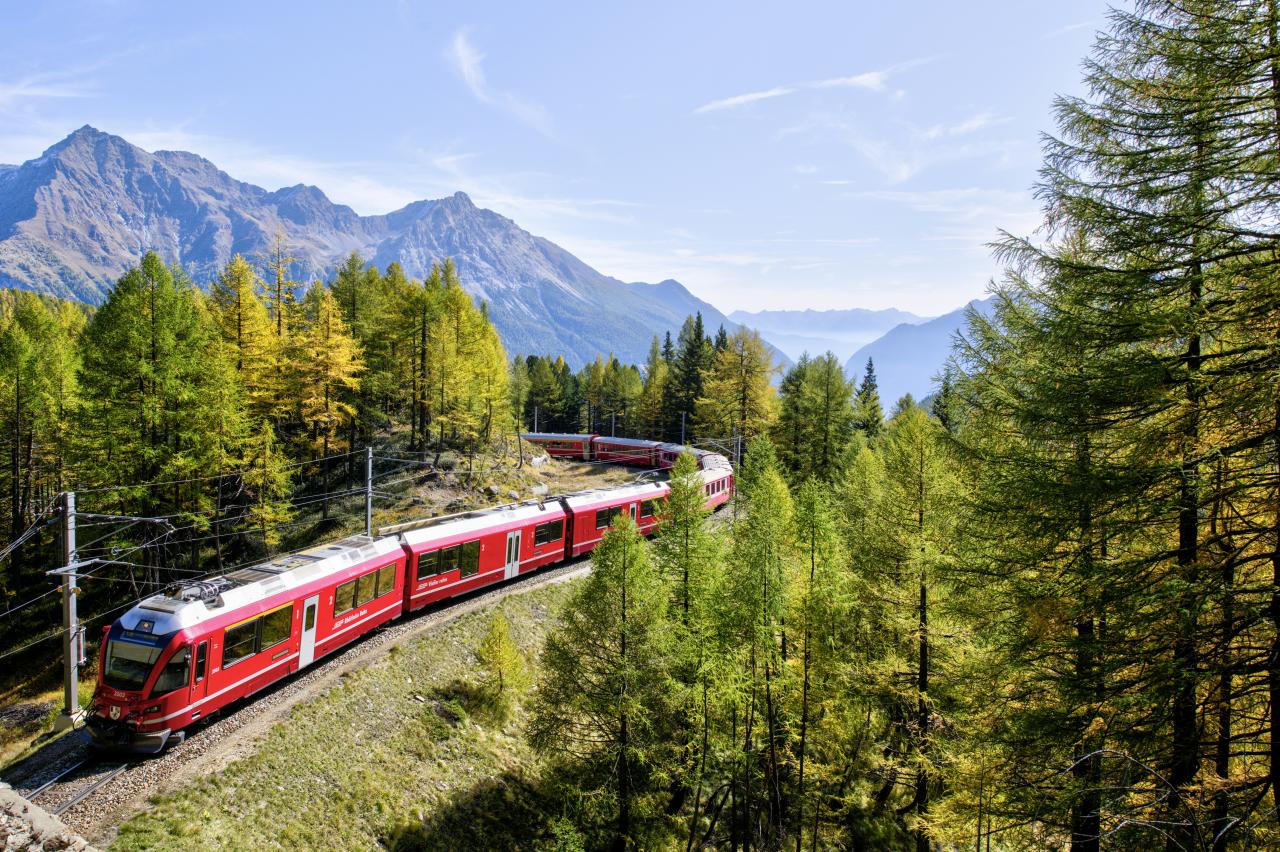
Planning an extensive rail adventure across Europe represents one of the most liberating ways to experience the continent’s diverse cultures and jaw-dropping landscapes. We no longer live in an era where navigating complex international rail networks requires deep technical knowledge or physical paper tracking sheets.
Modern continuous rail systems allow you to drift effortlessly from sun-drenched coastal paths to high-altitude mountain passes with a single digital pass. These advanced transit networks offer an incredible alternative to the intense stress of airport security lines and expensive car rental fees.
By adopting a strategic approach to your rail pass, you effectively unlock a fluid travel lifestyle that delivers you directly into historic city centers. This shifting method of exploration frees your mind from rigid airline baggage limits, allowing you to maximize every moment of your actual vacation.
Most global wanderers find that a well-structured rail itinerary provides the ultimate balance of organic adventure and reliable transportation. Understanding the structural nuances of reservation windows, seat maps, and packing requirements ensures that your journey remains affordable and highly memorable.
This definitive guide explores the most effective strategies to master your upcoming rail expeditions and scenic European train journeys with absolute confidence.
Mastering Route Design for Maximum Visual Awe
A. Balancing High Speed Relays with Slow Panoramic Lines
The foundation of a brilliant rail journey relies on combining rapid transit links with dedicated, slow-moving sightseeing lines. You use high-speed trains to conquer massive distances between major countries quickly during the dark night or early morning hours.
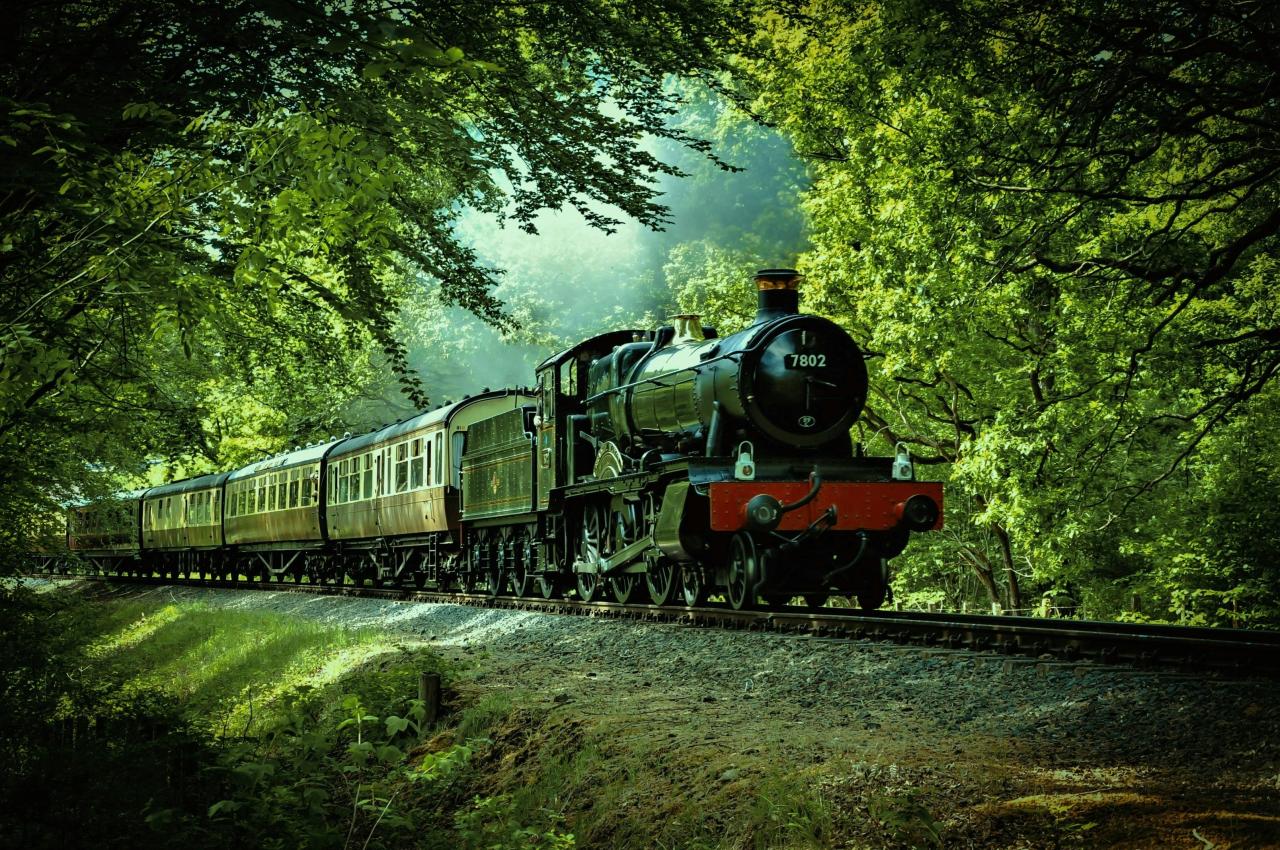
Once you arrive at a mountain or coastal border, you transition to specialized local trains that feature giant panoramic windows.
This strategic layout ensures you do not waste your precious daylight hours staring at flat highways or boring concrete tunnels. It allows you to maximize the visual value of your global pass while keeping your overall transit momentum fast and efficient.
From my perspective, many beginners exhaust themselves by spending consecutive long days on cramped, high-speed business trains. You solve the problem of “travel burnout” by limiting your high-speed relocation sprints to a maximum of three hours per day.
I suggest you dedicate your afternoons entirely to slow, regional trains that track through historic valleys or sleepy river towns. This balanced pacing keeps your exploration fresh, giving your eyes plenty of time to absorb the changing local architecture and natural wonders.
B. Navigating the Peak Seasonal Seat Reservation Bottlenecks
Having a global rail pass does not automatically guarantee you a physical seat on popular international express trains. High-performance routes, such as the cross-border flyers between France and Italy, mandate a separate, paid seat reservation well before departure.
These popular allocations sell out quickly during summer months, leaving unorganized travelers stranded at the terminal gate for days.
You must log into the central carrier system early to secure your physical seat assignments for these critical transit legs. Managing this detail early protects your core timeline and prevents unexpected logistics fees from draining your holiday funds.
I believe that unexpected reservation shortages are the primary engine behind pre-trip panic for independent rail travelers. You solve the problem of structural booking delays by mapping out your mandatory reservation legs at least two months before you depart.
My advice is to actively seek out alternative regional routes that require zero extra fees or strict reservation stamps. While these local lines take slightly longer, they often showcase gorgeous countryside paths that fast express trains bypass completely.
C. Utilizing Strategic Border Nodes for Flexible Day Trips
Choosing the right geographic base camps along your rail route determines how much internal freedom you maintain throughout your journey. Instead of moving your heavy luggage to a new hotel every single night, you should target strategic multi-line railway hubs.
Cities like Verona, Utrecht, or Zurich sit at the center of massive regional webs, allowing you to catch trains in four different directions daily.
You can leave your bags in a central locker and embark on spontaneous day excursions to quiet alpine lakes or historic mountain castles. This layout keeps your daily plans fluid, allowing you to chase perfect weather or local festivals without rebooking hotels.
In my view, packing and unpacking your gear daily is a silent killer of vacation joy and physical energy. You solve the problem of transit exhaustion by booking a single comfortable accommodation base for at least four consecutive nights.
I suggest you analyze the morning departure board at the central hub to pick your destination based on live satellite weather readouts. This tactical flexibility ensures you always explore under clear blue skies, transforming a rigid schedule into a beautiful, reactive adventure.
Optimizing Luggage Management and Onboard Comfort
A. Harnessing Ultra Light Packing Models for Rack Mobility
European train carriages feature overhead luggage shelves and narrow central aisles that require a high degree of physical agility. You must be able to lift your own fully packed suitcase above your head without blocking the movement of fellow commuters.
Large, heavy bags cause immediate stress during quick two-minute platform transfers when you must sprint across multi-level historic terminals.
Choosing a compact, durable backpack or a lightweight four-wheeled spinner suitcase allows you to navigate steep train steps easily. It keeps your physical perimeter small, ensuring you can slip into tight storage zones near your seat comfortably.
From my perspective, over-packing heavy gear is the absolute heaviest anchor holding back the independent rail explorer. You solve the problem of physical strain by limiting your wardrobe to a simple, five-day rotating system of technical fabrics.
I suggest you test your carrying capacity by walking up a flight of stairs with your fully loaded gear at home first. This realistic test ensures you can manage your equipment safely, keeping you agile when navigating crowded underground subway connections abroad.
B. Evaluating Onboard Amenities and Self Catering Strategies
While premium international trains feature beautiful dining cars, the menu prices are often highly inflated for standard tourist budgets. Local regional lines, which often showcase the most breathtaking views, rarely offer any food or beverage services during the journey.
Smart rail travel requires you to treat self-catering as a mandatory part of your pre-boarding operational routine.
You should visit local city markets before your departure to purchase fresh breads, regional fruits, and clean drinking water. This simple habit keeps your energy levels stable during long delays, transforming a basic transit ride into a scenic private picnic.
I think that relying entirely on train station fast food ruins your physical stamina and drains your daily spending budget. You solve the problem of poor transit nutrition by packing a compact, insulated lunch bag inside your primary personal backpack.
My take is that you should sample local regional delicacies from independent grocery shops near the smaller suburban terminals. This practice supports authentic local producers while providing you with high-quality, delicious fuel for your long afternoon mountain climbs.
C. Implementing Absolute Digital Security and Asset Tracking Guardrails
Moving through busy international transport hubs exposes your personal data and premium electronics to sophisticated local pickpocket networks. You must establish a secure digital perimeter by using hardware tracking tags inside every single piece of your luggage.
Never leave your primary electronic bags unattended in the end-of-carriage storage bins while you visit the onboard restroom.
Keep your passport, global rail pass, and emergency credit cards inside a slim, RFID-blocking security pouch underneath your shirt. Maintaining this strict physical separation guarantees that a minor distraction does not result in a catastrophic loss of your vital documentation.
In my view, casual luggage habits will eventually lead to a severe financial disaster in crowded tourist regions. You solve the problem of spatial security by using a lightweight steel cable lock to secure your main suitcase to the train’s luggage rack.
I suggest you sync your digital tracking tags to your smartphone to receive immediate alerts if a bag moves away from your position. This automated oversight provides absolute mental clarity, allowing you to enjoy the sweeping panoramic mountain views without constant physical anxiety.
Conclusion
Using a global rail pass is the best move for your vacation. It provides a high level of comfort and freedom. The technology for digital train scheduling gets better every day. You should embrace these modern networks for a focused life.
Always choose a path that balances speed with natural beauty. A scientific approach ensures that your European transit stays safe. Your time is your biggest asset during a major holiday. Strategic rail automation adds massive value to your daily travel comfort.
Don’t fear the complex layouts of international train terminals. Most people find train journeys to be a massive relief. Start your journey to better adventures by booking a pass today. You will be amazed at the rapid freedom you feel.
Your long-term travel confidence starts with the choices you execute now. Build a better future for your global adventures with smart rail trips.