

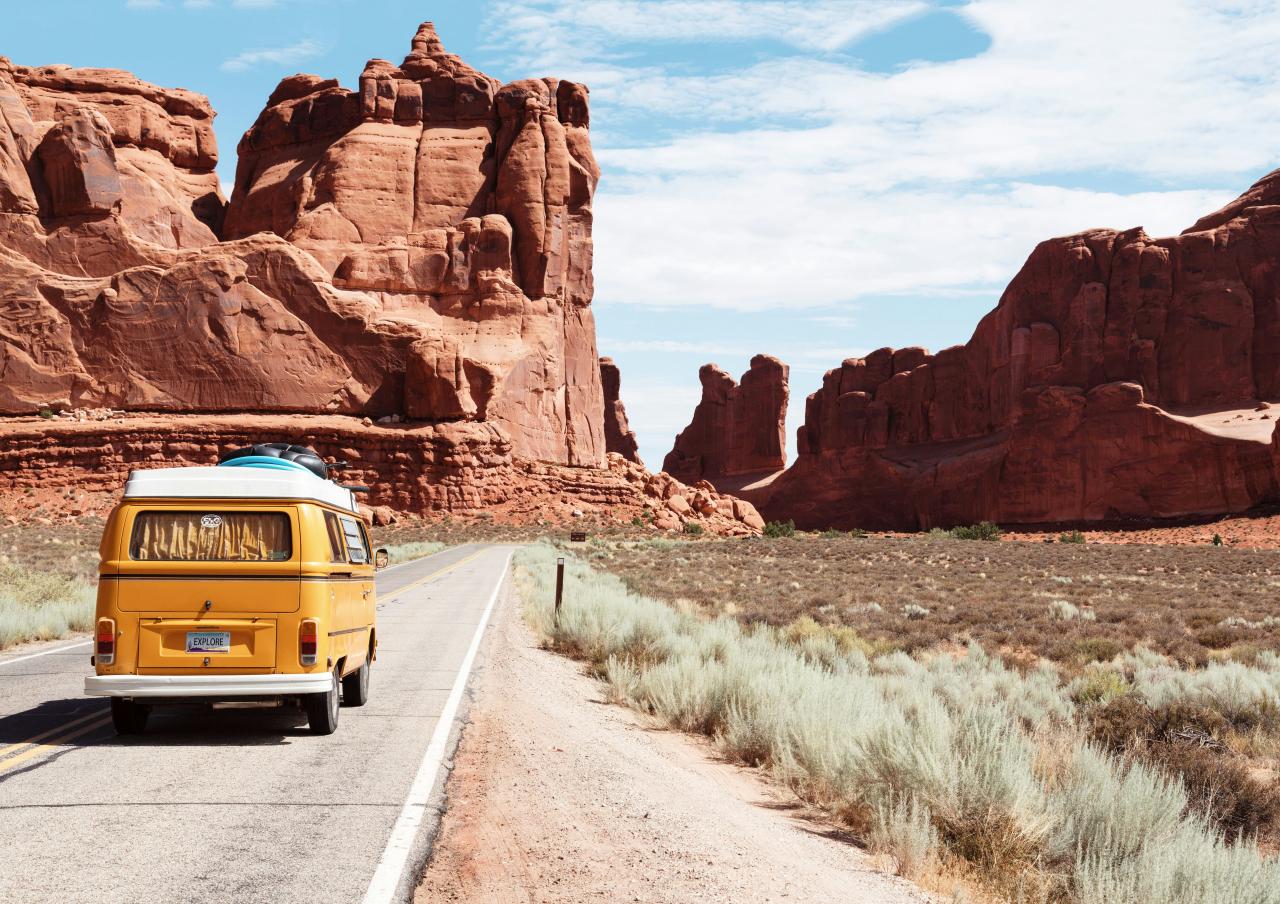
The global travel landscape is currently shifting away from congested tourism hubs toward peaceful, alternative pathways. We no longer live in an era where following standard guidebooks leads to a relaxing vacation experience.
Millions of smart wanderers actively choose lesser-known country lanes, regional rail paths, and scenic coastal backroads to protect their mental peace. These secondary transport networks allow you to discover untouched landscapes and authentic village hospitality far away from suffocating crowds.
By changing your operational routing strategy, you effectively transform stressful transit days into highly rewarding exploration highlights. This deliberate adjustment allows you to sidestep massive pedestrian gridlock while avoiding the heavily inflated prices of traditional tourist traps.
Most independent explorers find that moving along alternative corridors stretches their vacation budget much further. Understanding how to navigate regional maps and unconventional transit lines ensures that your adventure remains smooth, secure, and incredibly fun.
This comprehensive guide explores the absolute finest secondary travel routes currently redefining the boundaries of independent global exploration.
Mastering Rural Rail Networks and Historic Country Lanes
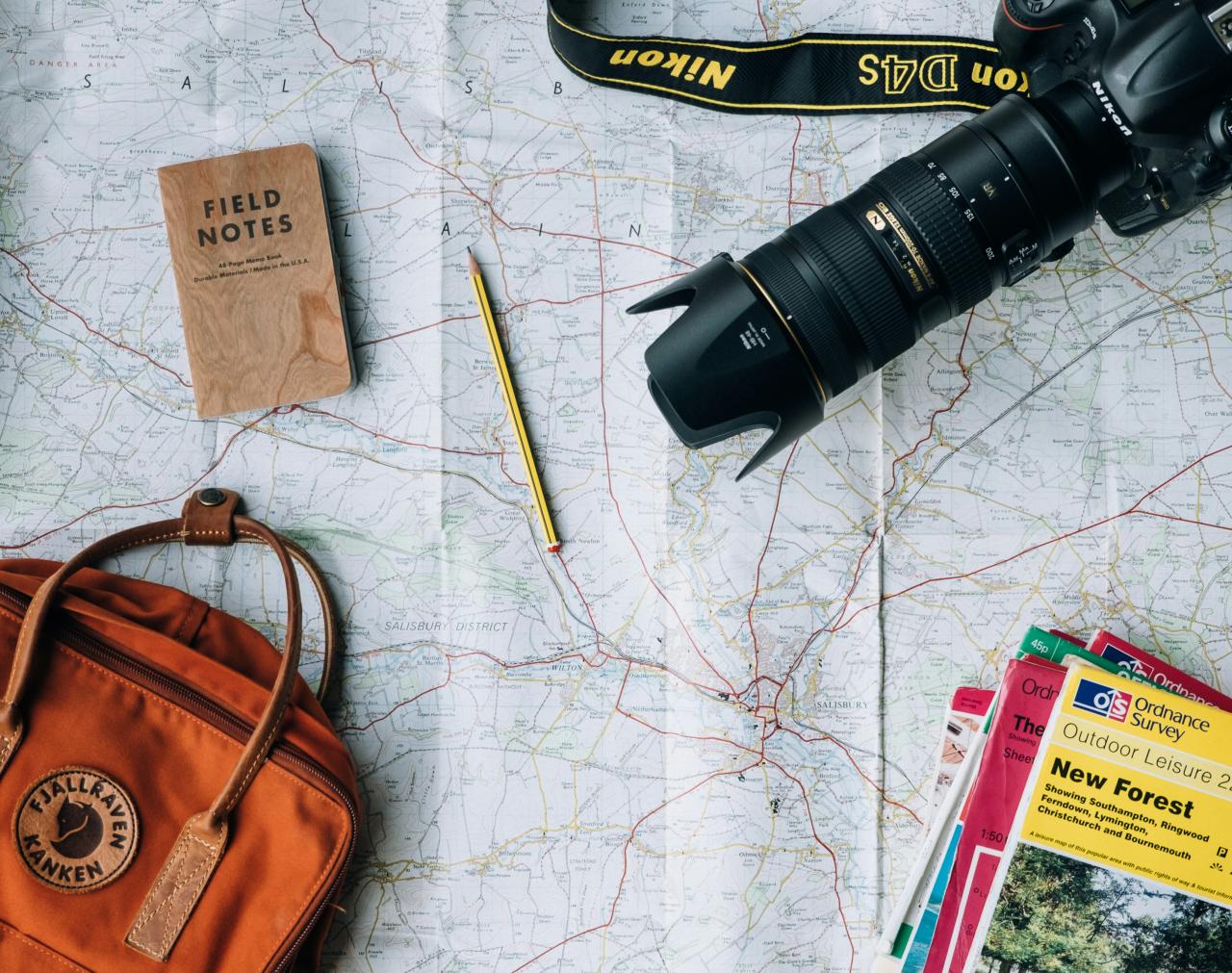
A. Navigating Local Train Lines Instead of High Speed Rail
Mainline express trains drop passengers off inside crowded capital cities quickly, but they completely miss the real regional culture. Choosing slow regional train lines offers an incredible alternative because these tracks slice directly through quiet agricultural valleys.
The small commuter carriages feature open windows, relaxing seating, and frequent stops at historic, completely empty village platforms. You can watch the authentic countryside unfold at a peaceful pace while breathing in fresh, unpolluted mountain air. It converts a basic relocation chore into a moving, highly visual showcase of the region’s hidden natural wonders.
From my perspective, people often treat regional transit as a massive waste of precious time because they prioritize speed. You solve the problem of transit fatigue by treating the local train ride as the primary activity of your morning.
I suggest you pick lines that connect minor agricultural hubs rather than major manufacturing cities or massive industrial centers. This calculated geographical choice delivers you straight to authentic local bakeries that charge standard resident prices instead of inflated tourist rates.
B. Evaluating Mountain Passes and Forgotten Historic Post Roads
Driving down major multi-lane highways usually forces you to look at concrete barriers, heavy commercial trucks, and boring construction zones. Transitioning your driving itinerary to forgotten mountain passes and historic post roads reveals breathtaking panoramic views of deep river canyons.
These older winding tracks feature safe, modern asphalt while maintaining excellent access to pristine high-altitude wilderness viewpoints.
They provide an environmentally beautiful and highly scenic driving experience that completely bypasses the stressful traffic jams of modern expressways. Utilizing these secondary asphalt routes reclaims the classic romance of the open road while keeping your family completely safe.
I believe that paying expensive highway tolls just to stare at the back of a cargo truck is foolish. You solve the problem of highway monotony by configuring your navigation software to actively avoid all major commercial turnpikes.
My advice is to plan your scenic driving blocks for the early hours right after the morning sun rises. This specific timing ensures you encounter empty mountain viewpoints, giving your family total solitude to capture stunning wilderness photographs easily.
C. Understanding Canal Paths and Scenic Riverside Walking Corridors
Modern cities frequently feature beautiful historic waterways that commercial cruise ships and busy commuter buses completely ignore. Walking down ancient canal towpaths or paved riverside pedestrian corridors allows you to explore historic neighborhoods at a gentle pace.
These car-free zones run directly behind beautiful old architecture, offering an intimate glimpse into the city’s private residential daily life. You can watch local fishermen, cross historic stone bridges, and discover hidden neighborhood parks without dodging aggressive street traffic.
It separates you completely from urban noise pollution, transforming a busy city exploration into a peaceful, highly relaxing walk.
In my view, travelers often stay trapped on noisy main streets because they fear getting lost down narrow side alleys. You solve the problem of urban stress by using the natural flow of the local river as your geographical guide.
I suggest you download a reliable offline map of the canal network before you leave your hotel wireless zone. This digital preparation allows you to wander confidently through quiet, water-facing neighborhoods where the tourist crowds never step.
Optimizing Coastal Detours and Lesser Known Sea Corridors
A. Harnessing Small Passenger Ferries Instead of Large Cruise Ships
Boarding massive commercial cruise liners often leaves you trapped among thousands of frantic tourists fighting for the same shore excursions. Utilizing small public passenger ferries provides a phenomenal, low-cost alternative that links remote islands using the exact same water paths.
These rugged local boats feature wide, open-air observation decks where you can feel the clean salt spray and watch marine wildlife.
They deliver you to quiet fishing villages that lack deep-water concrete docks or large commercial airport runways completely. It grants you absolute freedom to build a spontaneous maritime route that aligns with your private sense of adventure.
From my perspective, luxury holiday packages isolate you completely from the authentic daily life of the islands you visit. You solve the problem of manufactured tourism by purchasing regular ferry tickets alongside local merchants and small farming families.
I suggest you ask the terminal master for a multi-island transit pass to keep your coastal itinerary flexible. This tactical pass empowers you to stay an extra day in a quiet cove if you love the local rhythm.
B. Utilizing Coastal Backroads and Remote Clifftop Driving Tracks
Navigating popular beach highways during peak holiday seasons usually leads to extreme traffic delays, hot engines, and parking frustration. Exploring remote clifftop paths and secondary coastal dirt tracks reveals empty sandy beaches that standard rental cars cannot reach easily.
These lesser-known coastal roads trace the natural contours of the shoreline, guiding you past dramatic sea arches and historic lighthouses.
They connect you to tiny seafood shacks where the daily catch arrives straight from the small wooden boats out front. It transforms a basic beach trip into a grand overland expedition filled with constant discovery and beautiful ocean views.
I think that staying on the main beach highway guarantees you will pay double for a crowded patch of sand. You solve the problem of coastal overcrowding by shifting your destination goals toward rugged peninsulas that lack luxury resorts.
My take is that you should pack a pair of sturdy hiking shoes inside your vehicle’s trunk at all times. Walking the final mile along an empty clifftop track guarantees you discover a private beach paradise all to yourself.
C. Implementing Ultra Light Packing Models for High Mobility Route Swapping
Alternative transit vehicles like regional mini-buses and small island boats feature very tight storage lockers and narrow entry steps. Dragging massive, heavy plastic suitcases causes instant physical exhaustion when you must change platforms quickly or step onto wet docks.
Smart packing requires you to compress your travel gear into a single durable backpack or a lightweight soft-sided duffel.
Keeping your equipment small preserves your physical agility, ensuring you can clear checkpoint gates or climb train steps effortlessly. It delivers a high level of personal freedom, allowing you to alter your transportation choices spontaneously without luggage worries.
In my view, over-packing heavy wardrobe items is the primary anchor that destroys the joy of independent path exploration. You solve the problem of baggage anxiety by limiting your clothing selection to a highly versatile five-day rotating layout.
I suggest you secure your valuables inside a waterproof compression bag tucked deep within your primary pack layout. This simple precaution keeps your dry clothes and sensitive electronics completely safe, even during sudden unexpected downpours at sea.
Conclusion
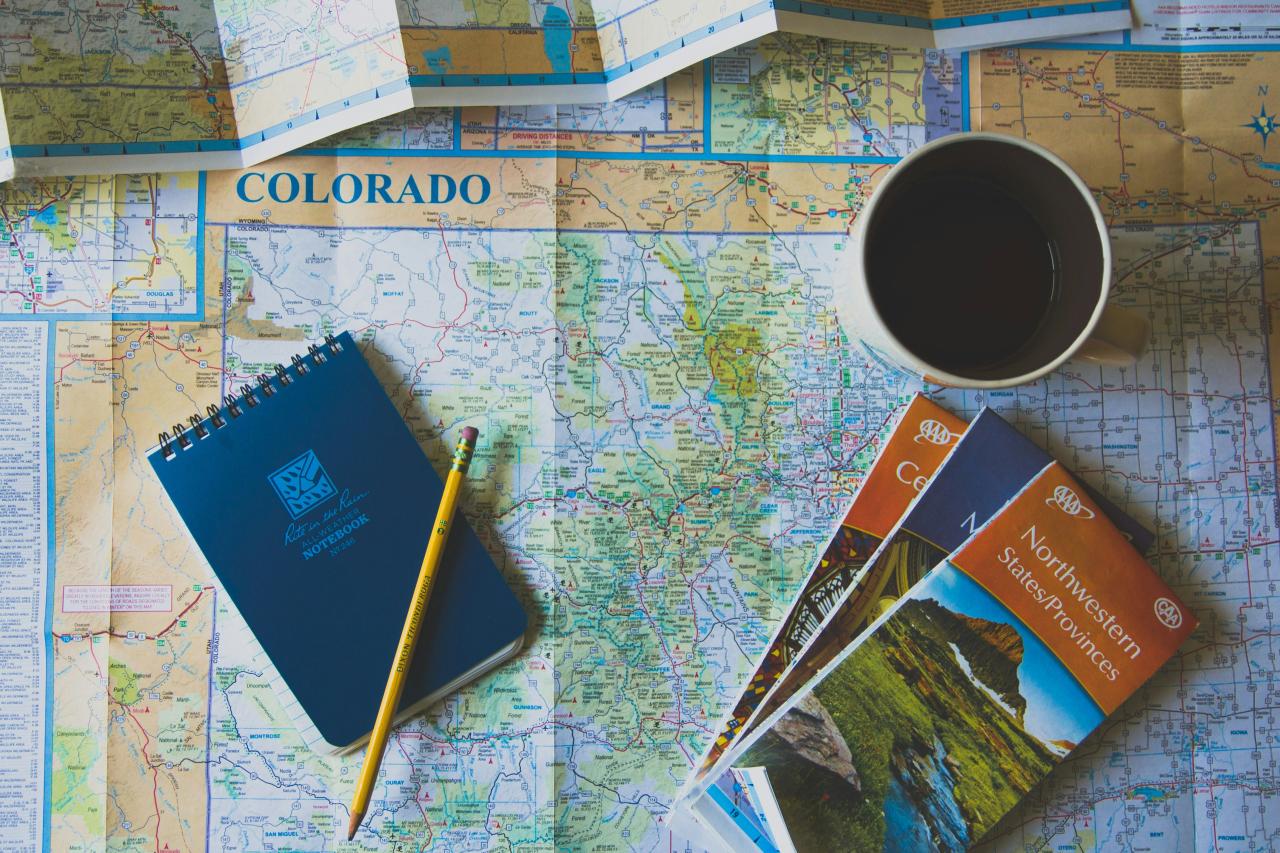
Choosing secondary routes is the best move for your travels. They provide a high level of comfort and absolute freedom. Digital local transit mapping gets better every single day. You should embrace these unique paths for your future trips.
Always choose a corridor that respects your personal safety goals. A scientific approach ensures that your wilderness transit stays safe. Your time is your biggest asset during a major vacation. Strategic vehicle choices add massive value to your travel comfort.
Don’t fear the complex layouts of rural transportation terminals. Most independent wanderers find slow journeys to be a massive relief. Start your journey to better trips by choosing a detour today. You will be amazed at the rapid discoveries you achieve.
Your long-term travel confidence starts with these smart choices. Build a better future for your global travels with secondary routes.